Guides
Tax Preparation Hiring: Form 8867 Training
Tax preparation hiring for EITC returns needs a Form 8867 practice routine: covered claims, required questions, records and readiness before live work.
Tax preparation hiring for EITC work needs more than a software demonstration. Before a new preparer handles a live return, the practice should teach the Form 8867 requirements, let the employee rehearse follow-up questions and recordkeeping, and assess whether they can identify facts that need clarification.
A practical readiness process covers EITC returns, the other claims on the form, the required records, and the review that must happen before filing.
Define who will handle covered returns
Decide first which work the employee may perform during training and which work requires supervisor review. A bookkeeper who only gathers, organizes and records client information generally does not need a PTIN.
A person paid to prepare or substantially assist in preparing a federal return generally does, and each preparer needs an individual PTIN. The IRS says anyone who prepares or assists in preparing federal returns for compensation must have a valid PTIN before preparing returns.
Does this role need a PTIN?
Does the person prepare or substantially assist with a federal return?
Individual PTIN required
Bookkeeping-only role, no PTIN
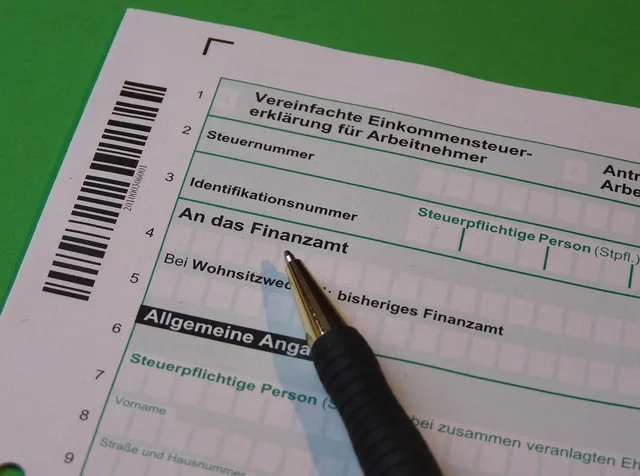
Form 8867, the Paid Preparer's Due Diligence Checklist, is not limited to EITC claims. The due diligence rules also cover the Child Tax Credit (CTC), Additional Child Tax Credit (ACTC), Credit for Other Dependents (ODC), American Opportunity Tax Credit (AOTC), and head-of-household filing status.
A trainee may practice with EITC scenarios first, but the practice should not imply that Form 8867 applies only to EITC returns.
The form must be completed and filed with a return claiming a covered credit or status. Make that part of the exercise: the trainee should understand that the checklist is a filing requirement, not an internal worksheet to finish sometime after the return is transmitted.
Check any state-specific preparer requirements separately with the appropriate authority; the licensing and compliance guide covers that distinct issue.
Teach the requirements as one working routine
A preparer's due diligence is more than filling in Form 8867. Under the federal rules, the trainee needs to learn to:
- Complete and submit Form 8867 with the return when a covered credit or filing status is claimed.
- Complete the applicable credit or filing-status worksheet and correctly calculate the amount claimed.
- Meet the knowledge requirementdo not ignore information that the preparer knows, or has reason to know, is incorrect, inconsistent or incomplete.
- Make reasonable inquiries when answers or documents raise a question, and document the questions and the client's answers.
- Keep the required checklist, worksheets, supporting records and inquiry notes for the required retention period.
Teach these together using a sample return. Ask the trainee to point to the information behind each relevant answer, identify anything that does not line up, and explain what they would ask next. If the facts remain unresolved, the correct training response is to pause and consult a supervisor rather than fill a gap with an assumption.
The recordkeeping rule is in Treasury Regulation §1.6695-2. Due diligence records generally must be retained for three years, measured from the latest of the return's due date without extensions, the date the return was filed, or the date it was filed under extension.
Train staff to record how and when information was received and from whom, along with the questions asked and the answers given. A completed Form 8867 does not replace records that support the answers on it.
The due diligence penalty is addressed in Internal Revenue Code §6695(g). The penalty amount can change, so do not build a training slide around a stale dollar figure; check current IRS guidance when updating materials. The practice point is that the preparer's inquiry and documentation matter even when software has populated fields or calculated a credit.
Rehearse EITC questions with case exercises
Use short scenarios where the trainee must explain the next question, what belongs in the file, and whether the return can move forward. The exercise should test neutral fact-finding, not whether the trainee can guess a client's eligibility from a thin description.
| Practice scenario | Trainee's task | What the reviewer checks |
|---|---|---|
| A client says a child lived with them, but the account of the child's living arrangements is unclear. | Ask a neutral follow-up about where the child lived and clarify the relevant period. | The file records the client's answer without filling gaps by assumption. |
| The client's description of income conflicts with information already in the file. | Identify the conflict and ask the client to explain it. | The trainee records the question, the response and any unresolved issue. |
| An answer to an eligibility question is incomplete or changes during the interview. | Ask what changed and whether the facts can be reconciled. | The trainee does not treat a changed answer as resolved without understanding it. |
After each exercise, ask the trainee to separate what is known from what still needs confirmation. Review whether the follow-up was open and non-leading, whether the response was recorded clearly, and whether the trainee knew when to stop for help.
Use the same core scenarios and review criteria for each trainee so the assessment is based on observed, job-related work rather than a general impression.
Make a readiness decision before e-filing
Use a practice return and its file to assess readiness. The trainee should be able to identify the relevant facts, recognize an incomplete or inconsistent answer, ask a reasonable follow-up, document the exchange, and explain when to escalate.
Then check that the trainee understands how Form 8867 and the supporting worksheet fit into the return before it is filed.
If the preparer can complete software fields but cannot explain the facts behind them, continue supervised practice.
A sign-off should state which work the employee demonstrated, such as supervised EITC returns, rather than grant unrestricted authority to handle every return type. Keep the review note with the training record, alongside the practice's other service quality checks, so a supervisor can see what was tested and what still needs practice.
Keep an escalation route available after sign-off. During filing work, the preparer should know whom to contact when a client response conflicts with the file or a question remains unresolved. The due diligence responsibility remains with the paid preparer; tax preparation software can support the workflow but cannot ask or evaluate every follow-up question on the preparer's behalf.
Schedule and pay for the practice time
Training, role-play and supervised file review take work time. Record that time and plan it before the seasonal rush, rather than treating the lessons as an informal task to finish after hours.
The Fair Labor Standards Act establishes minimum wage, overtime pay, recordkeeping, and youth employment standards for employees in the private sector. Training hours counted as work time belong in the payroll plan; tax preparation pay covers what is fair and sustainable.
Employer FICA adds 7.65%
- 7.65% | Employer FICA on base wage
- FUTA rate x wage base | Federal unemployment
- SUTA rate x wage base | State unemployment
- WC rate x payroll | Workers compensation
Reserve time for the employee to practice, receive feedback and repeat an exercise when the first attempt exposes a gap. Build the training block into the seasonal staffing plan alongside the practice's other payroll obligations, without counting on unpaid preparation or review time.
For onboarding credentials and general employee paperwork, use the new-hire checklist; the process here is specifically about readiness for Form 8867 and covered returns.
Before assigning live EITC work, confirm that the trainee can ask, evaluate, document and escalate. If not, keep the work supervised and continue practice before the return is filed.